





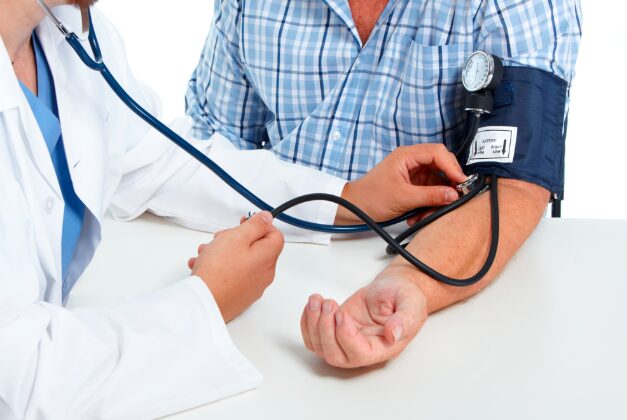
Preventive healthcare checkups play a vital role in maintaining long-term health and reducing the risk of serious medical conditions. Many diseases develop slowly and may not show noticeable symptoms in the early stages. Regular health checkups help detect potential problems early, allowing for timely treatment and better health outcomes.
Preventive care focuses on keeping people healthy rather than only treating illnesses after they appear. Routine medical examinations, screenings, and lifestyle assessments can help individuals make informed decisions about their health and improve overall quality of life.
What Are Preventive Healthcare Checkups?
Preventive healthcare checkups are routine medical visits designed to monitor overall health and identify possible health risks before symptoms become severe. These checkups may include physical examinations, laboratory tests, screenings, vaccinations, and discussions about lifestyle habits.
Doctors use preventive checkups to evaluate important aspects of health such as:
- Blood pressure
- Cholesterol levels
- Blood sugar levels
- Weight and body mass index
- Heart health
- Mental health
- Nutrition and lifestyle habits
The goal is to detect health problems early and encourage healthy living.
Early Detection of Diseases
One of the biggest advantages of preventive healthcare is early disease detection. Many serious illnesses such as diabetes, high blood pressure, heart disease, and certain cancers may not show obvious symptoms in the beginning.
Regular checkups can help identify these conditions before complications develop.
Early detection may lead to:
- Faster treatment
- Better recovery outcomes
- Lower medical costs
- Reduced risk of complications
Timely diagnosis often increases the chances of successful treatment and long-term health management.
Helps Prevent Serious Health Problems
Preventive care not only detects diseases but also helps reduce the risk of developing them. Healthcare providers often give advice on healthy habits, exercise, nutrition, stress management, and lifestyle improvements.
This guidance can help prevent conditions such as:
- Obesity
- Heart disease
- Type 2 diabetes
- High cholesterol
- Stroke
Healthy lifestyle changes recommended during checkups can significantly improve overall wellness.
Monitors Existing Health Conditions
People with chronic conditions such as asthma, hypertension, or diabetes benefit greatly from regular medical monitoring. Preventive checkups help doctors evaluate treatment progress and adjust medications or lifestyle recommendations when needed.
Regular monitoring can help prevent complications and improve disease management.
Supports Better Mental Health
Preventive healthcare also includes mental and emotional well-being. Stress, anxiety, depression, and sleep problems can affect both physical and mental health.
During routine visits, healthcare providers may discuss:
- Stress levels
- Sleep quality
- Emotional health
- Mental wellness concerns
Early support for mental health conditions can improve quality of life and overall functioning.
Importance of Vaccinations and Screenings
Vaccinations and health screenings are important parts of preventive care. Vaccines help protect against infectious diseases, while screenings identify potential health risks.
Common Preventive Screenings
| Screening | Purpose |
|---|---|
| Blood Pressure Test | Detects hypertension |
| Blood Sugar Test | Screens for diabetes |
| Cholesterol Test | Evaluates heart disease risk |
| Cancer Screenings | Detects certain cancers early |
| Eye and Dental Exams | Maintains vision and oral health |
Regular screenings are often based on age, family history, and personal risk factors.
Encourages Healthy Lifestyle Choices
Routine checkups often motivate people to improve their daily habits. Doctors may provide recommendations related to:
- Healthy eating
- Physical activity
- Weight management
- Smoking cessation
- Alcohol moderation
- Sleep improvement
These lifestyle changes can reduce the risk of illness and improve overall health.
Saves Money in the Long Term
Preventive healthcare may reduce long-term medical expenses by identifying health issues before they become severe or require expensive treatments.
Treating advanced illnesses often costs much more than managing conditions early through regular monitoring and healthy lifestyle changes.
Preventive Care for Different Age Groups
People of all ages benefit from preventive healthcare.
Children
Children need routine checkups to monitor growth, development, vaccinations, and overall health.
Adults
Adults benefit from screenings for blood pressure, cholesterol, diabetes, and lifestyle-related conditions.
Older Adults
Older individuals may require additional screenings for bone health, vision, hearing, memory, and chronic diseases.
How Often Should You Get a Checkup?
The frequency of preventive checkups depends on age, health history, and individual risk factors. Many healthcare professionals recommend annual checkups for adults, while some individuals may need more frequent visits.
People with chronic conditions or family histories of disease may require additional screenings and monitoring.
Tips for Getting the Most Out of Checkups
To make preventive healthcare visits more effective:
- Keep a record of symptoms and medications
- Discuss family medical history
- Ask questions about health concerns
- Follow recommended screenings and tests
- Maintain honest communication with healthcare providers
Being proactive about health can improve prevention and treatment outcomes.
Conclusion
The importance of preventive healthcare checkups cannot be overlooked in maintaining long-term physical and mental well-being. Regular checkups help detect diseases early, prevent serious health complications, support healthy lifestyle habits, and improve overall quality of life. By staying proactive with routine medical care, individuals can take better control of their health and reduce the risk of future medical problems.