




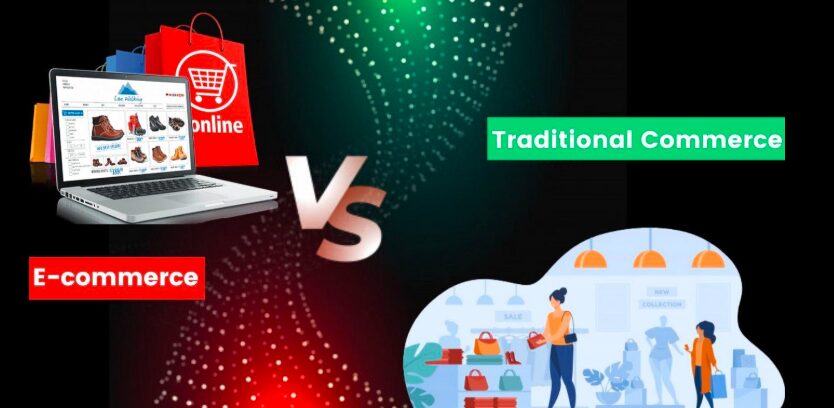
Businesses have evolved significantly over the years due to advancements in technology and changing consumer behavior. Today, entrepreneurs can choose between starting an online business or operating a traditional physical business. Both business models offer unique advantages and challenges, and choosing the right one depends on factors such as budget, goals, target audience, and business type.
Online businesses have become increasingly popular because of internet access, digital marketing, and e-commerce platforms. Traditional businesses, however, still remain important because many customers value physical shopping experiences and face-to-face interactions. In this article, we will compare online business vs traditional business, their benefits, differences, and challenges.
What Is an Online Business?
An online business operates primarily through the internet. Products or services are sold digitally through websites, social media platforms, or online marketplaces.
Examples of online businesses include:
- E-commerce stores
- Freelancing services
- Blogging websites
- Digital marketing agencies
- Online education platforms
- Software businesses
Platforms like Shopify and Amazon have made online business management easier for entrepreneurs.
What Is a Traditional Business?
A traditional business operates from a physical location where customers visit to purchase products or services.
Examples include:
- Retail stores
- Restaurants
- Grocery shops
- Salons
- Offices
- Local service businesses
Traditional businesses often rely on local customers and face-to-face communication.
Startup Costs Comparison
One major difference between online and traditional businesses is startup cost.
Online Business Costs
Online businesses usually require lower investment because there is no need to rent expensive commercial spaces.
Common online business expenses include:
- Website development
- Domain and hosting
- Digital marketing
- Product sourcing
- Online tools and software
Traditional Business Costs
Traditional businesses generally require higher startup capital.
Expenses may include:
- Store rent
- Utility bills
- Furniture and equipment
- Staff salaries
- Interior setup
- Inventory storage
For beginners with limited budgets, online businesses are often more affordable.
Customer Reach
Customer reach is another major difference between the two business models.
Online Business Reach
Online businesses can target customers globally through digital marketing and social media.
Benefits include:
- Access to international markets
- 24/7 availability
- Easier customer targeting
- Scalability
Traditional Business Reach
Traditional businesses mainly serve local or regional customers.
Although physical stores may have limited reach, they often build strong local customer relationships.
Marketing Methods
Marketing strategies differ greatly between online and traditional businesses.
Online Marketing
Online businesses use digital marketing techniques such as:
- Search engine optimization (SEO)
- Social media marketing
- Email marketing
- Influencer marketing
- Pay-per-click advertising
Platforms like Google and Facebook help businesses advertise to targeted audiences.
Traditional Marketing
Traditional businesses often rely on:
- Newspaper advertisements
- Billboards
- Flyers and brochures
- Television commercials
- Radio advertising
Traditional marketing may be effective locally but can be more expensive.
Flexibility and Convenience
Online businesses provide greater flexibility for owners and customers.
Benefits of Online Businesses
| Benefit | Explanation |
|---|---|
| Work from Anywhere | Businesses can operate remotely |
| Flexible Hours | Owners can manage schedules easily |
| Automation | Many tasks can be automated |
| Easier Expansion | Online stores can scale quickly |
Benefits of Traditional Businesses
Traditional businesses provide direct customer interaction and physical product experiences, which can build stronger trust for certain industries.
Customer Experience
Customer experience varies between online and traditional businesses.
Online Customer Experience
Customers enjoy:
- Fast online shopping
- Home delivery
- Easy product comparison
- Online reviews and ratings
However, customers cannot physically inspect products before purchasing.
Traditional Customer Experience
Physical stores allow customers to:
- See and test products
- Receive immediate assistance
- Build personal relationships with staff
This personal interaction can improve customer satisfaction.
Profit Potential
Both business types can be profitable, but profitability depends on business strategy and management.
Online Business Profitability
Online businesses often have:
- Lower operational costs
- Higher scalability
- Automated sales systems
- Larger audience reach
Traditional Business Profitability
Traditional businesses may generate strong local loyalty and repeat customers, especially in industries such as restaurants and retail stores.
Challenges of Online Businesses
Despite many advantages, online businesses also face challenges.
Common problems include:
- Strong competition
- Cybersecurity risks
- Dependence on internet traffic
- Shipping and delivery issues
- Changing online algorithms
Business owners must continuously update digital strategies to remain competitive.
Challenges of Traditional Businesses
Traditional businesses also experience difficulties such as:
- High operating costs
- Limited customer reach
- Dependence on location
- Rising rental expenses
- Less flexibility
Unexpected events like economic downturns can also affect physical businesses more heavily.
Which Business Model Is Better?
There is no single answer because the best option depends on business goals and personal preferences.
Online Businesses Are Better For:
- Low-budget startups
- Global market reach
- Digital products and services
- Flexible working lifestyles
Traditional Businesses Are Better For:
- Physical product experiences
- Local community services
- Businesses requiring face-to-face interaction
- Customers who prefer in-person shopping
Some entrepreneurs combine both models by operating physical stores alongside online platforms.
Future of Business Models
The future of business is likely to involve a combination of online and traditional methods. Many companies are adopting hybrid business models to serve customers both online and offline.
Examples include:
- Retail stores with e-commerce websites
- Restaurants with online delivery apps
- Online booking systems for local services
Businesses that adapt to both digital and physical customer needs may achieve greater success.
Conclusion
Online businesses and traditional businesses both have their own strengths and challenges. Online businesses offer flexibility, lower costs, and global reach, while traditional businesses provide personal interaction and physical customer experiences. Choosing the right business model depends on your budget, goals, industry, and target audience. As technology continues to evolve, businesses that combine digital innovation with excellent customer service are more likely to succeed in the modern marketplace.