





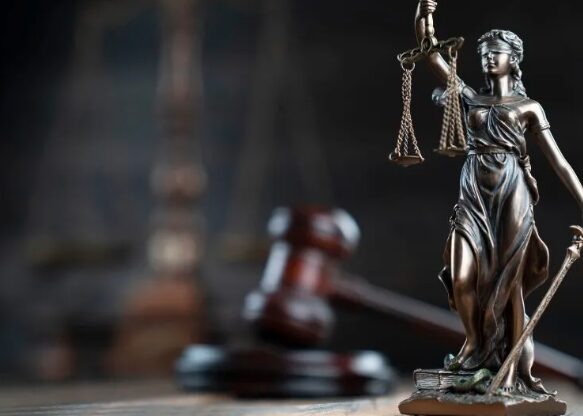
Criminal law plays a vital role in maintaining order, safety, and justice within society. It establishes rules that define illegal behavior and sets punishments for individuals who violate those laws. By discouraging harmful actions and holding offenders accountable, criminal law helps create a safer and more stable environment for communities.
Every society depends on criminal law to protect citizens from violence, theft, fraud, and other harmful activities. Without legal systems and law enforcement, maintaining public peace and protecting individual rights would become extremely difficult.
What Is Criminal Law?
Criminal law is a branch of law that deals with crimes committed against individuals, organizations, or society as a whole. It defines offenses, outlines legal procedures, and establishes punishments for people found guilty of criminal acts.
Criminal cases are usually brought by the government or state against a person accused of committing a crime.
Common Types of Crimes
Criminal law covers many types of offenses, including:
- Theft and robbery
- Assault and violence
- Fraud and financial crimes
- Drug-related offenses
- Cybercrime
- Murder and homicide
- Domestic violence
- Property damage
Each crime carries different legal consequences depending on its seriousness.
Maintaining Public Safety
One of the main purposes of criminal law is to protect public safety. Laws discourage individuals from engaging in dangerous or harmful behavior by establishing penalties for criminal acts.
Deterrence of Crime
Punishments such as fines, probation, or imprisonment are designed to discourage both offenders and the general public from committing crimes.
When people understand that illegal actions can result in serious consequences, they may be less likely to break the law.
Protecting Individual Rights
Criminal law protects individuals from actions that threaten their safety, property, or well-being.
Legal Protection for Victims
Victims of crimes often receive legal protection through:
- Criminal investigations
- Court proceedings
- Protective orders
- Compensation programs
- Victim support services
These protections help ensure that victims receive justice and support after harmful incidents.
Promoting Justice and Accountability
Criminal law helps hold offenders responsible for their actions. Courts evaluate evidence, hear testimony, and determine whether a person is guilty according to legal standards.
Fair Legal Process
The justice system follows legal procedures to ensure fairness for both victims and accused individuals. Important legal rights often include:
- The right to legal representation
- The right to a fair trial
- The presumption of innocence
- Protection against unlawful punishment
These protections help prevent abuse of power and wrongful convictions.
Preventing Vigilantism and Disorder
Without criminal law, individuals might attempt to take justice into their own hands. This could lead to violence, revenge, and social instability.
Criminal law provides a structured legal process that allows disputes and crimes to be handled fairly by courts and law enforcement agencies rather than through personal retaliation.
Rehabilitation of Offenders
Modern criminal justice systems often focus not only on punishment but also on rehabilitation.
Rehabilitation Programs
Some offenders may participate in:
- Counseling programs
- Drug treatment programs
- Educational courses
- Community service
- Vocational training
Rehabilitation aims to reduce repeat offenses and help individuals reintegrate into society as productive citizens.
Protecting Property and Financial Stability
Criminal laws also safeguard property rights and financial systems by penalizing theft, fraud, corruption, and financial crimes.
Businesses and individuals rely on legal protection to operate safely and maintain economic stability.
Financial Crimes
Examples of financial crimes include:
- Identity theft
- Embezzlement
- Money laundering
- Tax fraud
- Cyber fraud
Strong criminal laws help maintain trust in financial systems and commercial activities.
Addressing Modern Crimes
As technology evolves, criminal law continues adapting to new threats and challenges.
Cybercrime Laws
Modern criminal laws address online crimes such as:
- Hacking
- Identity theft
- Online scams
- Data breaches
- Cyberbullying
Governments constantly update laws to respond to emerging digital threats.
The Role of Law Enforcement
Police officers, investigators, prosecutors, and courts all play important roles in enforcing criminal law.
Responsibilities of Law Enforcement
Law enforcement agencies help society by:
- Investigating crimes
- Arresting suspects
- Collecting evidence
- Protecting communities
- Enforcing court orders
Their work supports the legal system and helps maintain public trust.
Challenges in Criminal Law
Although criminal law is essential, legal systems also face challenges such as:
- Overcrowded prisons
- Delays in court cases
- Wrongful convictions
- Balancing public safety and civil rights
- Cybersecurity threats
- Organized crime
Governments continue working to improve criminal justice systems and ensure fairness.
Importance of Criminal Law in Society
Criminal law provides structure, protection, and accountability within communities. It helps people feel safer, supports social order, and protects fundamental rights.
Without criminal law, societies would struggle to manage conflicts, prevent violence, and maintain trust in public institutions.
Conclusion
Criminal law plays a crucial role in protecting society by preventing crime, promoting justice, safeguarding individual rights, and maintaining public order. Through legal procedures, punishments, and rehabilitation efforts, criminal law helps create safer communities and holds offenders accountable for harmful actions.
As society changes and new forms of crime emerge, criminal law will continue evolving to address modern challenges while balancing public safety, fairness, and individual freedoms.